
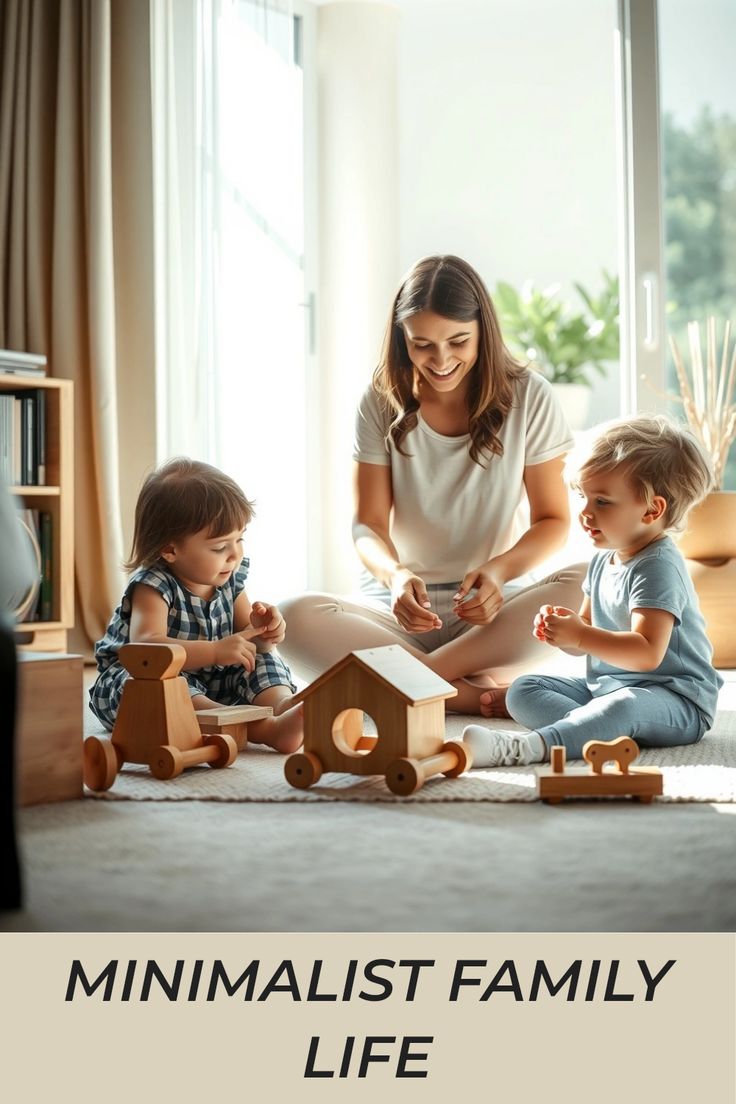
Family life can be beautiful, chaotic, joyful, exhausting, and unpredictable—all at the same time. When you add clutter, overly busy schedules, and constant decision-making to this mix, daily life can quickly become overwhelming. That’s why minimalism can be such a powerful tool for parents.
Minimalism isn’t about having an empty house or strict rules. It’s about removing what doesn’t matter so you can focus on what genuinely does: time, presence, connection, and peace. This article explores how minimalism can simplify family life and create a calmer home environment.
Why Parents Benefit from Minimalism
Children generate noise, mess, and endless activity. That’s natural. But the stress often comes from having too much stuff and too many commitments. Minimalism helps by:
- Reducing the amount of cleaning
- Decreasing decision fatigue
- Preventing overstimulation
- Creating predictable routines
- Encouraging more meaningful family time
When the home is simplified, parenting becomes more manageable and less stressful.
Start with Fewer Toys
It might sound surprising, but children play better with fewer toys. Minimalism doesn’t limit creativity—it enhances it. Excess toys lead to overstimulation, quick boredom, and constant mess.
A minimalist toy collection focuses on:
- Open-ended toys (blocks, puzzles, dolls, cars)
- Durable, high-quality items
- Toys that encourage imagination
- Simple categories for easy organization
Rotating toys monthly keeps interest high and clutter low.
Create Clear Zones for Kids
Minimalism isn’t about restricting children. It’s about creating spaces that are easy for them to use and easy to clean.
Create simple zones like:
- A reading corner
- A toy area
- A craft table
- A play rug
- A place for bags and shoes
When kids know where things belong, the home stays organized with less effort.
Simplify Daily Routines
Children thrive on routine—it creates safety, predictability, and emotional stability. Minimalism encourages simple, consistent routines that reduce stress for both parents and kids.
Examples include:
- A simple morning routine
- A predictable bedtime schedule
- A weekly cleaning rhythm
- A daily “reset” time for toys
Consistency makes family life smoother and calmer.
Reduce Clothing to What They Actually Wear
Children often outgrow clothes faster than parents can keep track. A minimalist wardrobe prevents frustration, overcrowded drawers, and wasted money.
Keep only:
- Clothes that fit now
- Clothes they wear often
- A small set of versatile outfits
- Weather-appropriate items
Donate or pass down anything they no longer need.
Keep Meals Simple
Parents often feel pressure to cook elaborate meals, but children overwhelmingly benefit from simple, consistent foods.
Minimalist meal ideas include:
- Stir-fries
- Pasta with vegetables
- Roasted chicken
- Rice bowls
- Sandwiches and wraps
- Simple soups
Less complicated meals reduce stress and save time.
Prioritize Quality Time Over Activities
Many families feel pressured to enroll their children in numerous activities. But too many commitments lead to burnout—for both parents and kids.
A minimalist approach encourages:
- Fewer scheduled activities
- More unstructured play
- More family connection
- More rest
Children don’t need a packed schedule to thrive—they need presence and balance.
Declutter “Parent Guilt”
Minimalism isn’t only physical. Parents often carry emotional clutter:
- Guilt about screen time
- Guilt about meals
- Guilt about not doing enough
- Guilt about not being perfect
Minimalism invites compassion and priority-setting. You let go of what doesn’t matter and focus on what actually improves your child’s life.
Simplify Your Home Environment
A simple home is easier to clean, easier to maintain, and more calming for the whole family. To create a minimalist home:
- Keep surfaces clear
- Store toys in simple bins
- Limit décor to intentional pieces
- Create open spaces for play
- Use furniture that’s easy to clean
A calm home supports emotional calmness.
Teach Your Children Minimalist Values
Minimalism is a powerful lesson for children. They learn:
- To value what they have
- To take care of their belongings
- To be intentional
- To appreciate experiences over things
- To clean up independently
These habits support long-term emotional and social development.
Embrace Slow Moments
Minimalism encourages families to slow down. This might mean:
- Reading together
- Cooking simple meals
- Spending time outdoors
- Having quiet evenings
- Talking at the dinner table
These small moments create strong memories.
Let Go of Perfection
Minimalist families understand that:
- Homes get messy
- Children make noise
- Routines break sometimes
- Life is unpredictable
Minimalism helps you focus not on perfection, but on peace. It teaches parents to release unrealistic expectations and embrace the natural flow of family life.
Family Life Can Be Simpler
Minimalism doesn’t remove challenges, but it removes unnecessary stress. A simplified home, simplified routines, and simplified schedules create space for:
- Joy
- Connection
- Play
- Rest
- Presence
A minimalist approach helps families build a home where everyone feels supported and calm.
Minimalism isn’t about less—it’s about more of what matters.