
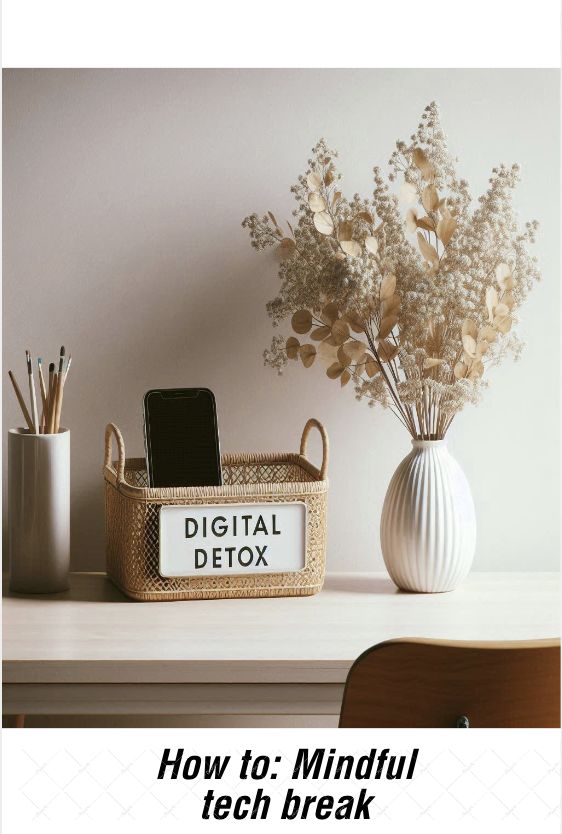
Digital devices are deeply integrated into modern life. Phones, laptops, tablets, notifications, social media, and constant connectivity have become the norm. While technology is incredibly useful, it also brings a silent form of stress—digital overload.
Digital minimalism offers a simple, intentional approach to using technology in a way that supports your well-being instead of draining it. This article explores how to regain control of your screen time and build a healthier relationship with your devices.
Why Digital Overload Happens
Modern digital life encourages constant engagement:
- Endless notifications
- Infinite scrolling
- Social comparison
- Advertising
- News cycles
- Apps competing for your attention
This overstimulation leads to:
- Anxiety
- Difficulty focusing
- Stress
- Insomnia
- Loss of time
- Reduced productivity
Digital minimalism helps you shift from passive consumption to intentional usage.
Start With a Digital Declutter
Before you can simplify your digital life, you need to clear out the clutter. A digital declutter involves removing everything you no longer need.
You can start by:
- Deleting unused apps
- Unsubscribing from email lists
- Cleaning your inbox
- Organizing files into clear folders
- Removing duplicate photos
- Clearing old downloads
- Turning off unnecessary notifications
A clean digital space makes your mind feel lighter.
Reduce Notifications to the Essentials
Notifications are designed to interrupt your focus. Each alert, vibration, or sound pulls you out of the present moment. Digital minimalism recommends disabling all nonessential notifications.
Keep only:
- Messages from close contacts
- Important reminders
- Essential work apps (if necessary)
Everything else can be checked on your own schedule, not the device’s schedule.
Create Phone-Free Zones
Physical boundaries help you disconnect. Establish areas where phones and screens are not allowed.
Common phone-free zones include:
- The dining table
- The bedroom
- Study or reading spaces
- Social gatherings
- Morning and evening routines
These boundaries support better sleep, deeper conversations, and more mindful living.
Limit Social Media Usage
Social media is one of the biggest sources of distraction and emotional fatigue. A minimalist approach doesn’t mean deleting everything—it means using it with intention.
Try:
- Setting daily time limits
- Removing social apps from your home screen
- Turning off notifications
- Unfollowing accounts that don’t bring value
- Avoiding mindless scrolling
- Taking weekly or monthly breaks
Social media should enhance your life, not control it.
Replace Digital Habits With Real-Life Alternatives
Many people turn to screens when they are bored, anxious, or seeking stimulation. Digital minimalism encourages replacing these habits with offline activities that provide deeper satisfaction.
Try replacing:
- Social media → reading
- Streaming → hobbies
- Phone games → puzzles or journaling
- Endless scrolling → walking outdoors
- Notifications → quiet time or meditation
These alternatives support emotional health and personal growth.
Use Your Devices With Intention
One of the best habits in digital minimalism is using devices deliberately.
Before picking up your phone, ask:
- Why am I using this?
- What do I need to do?
- How long should it take?
Intentional use prevents accidental hours of wasted time.
Simplify Your Home Screen
Your home screen should be calm, not chaotic. Simplifying it reduces temptation and distraction.
Try:
- Keeping only essential apps visible
- Moving distracting apps into folders
- Using a minimalist wallpaper
- Organizing apps by category
When your home screen looks simple, your mind feels simpler too.
Schedule “Digital Sabbaths”
A digital sabbath is a planned break from screens. It could be:
- One evening per week
- A full Sunday
- A monthly weekend
- A daily hour of silence
These breaks help reset your mind, improve focus, and make you more present.
Establish Clear Screen Time Rules
Minimalism works best with simple rules. Create boundaries that help you maintain balance.
Ideas include:
- No screens after a certain time
- No phone during meals
- No scrolling in bed
- No multitasking with screens
- Work devices stay at work
Clear rules reduce decision fatigue and help you stay consistent.
Curate Your Digital World
A minimalist digital life means choosing what you allow into your mental space. Curate your feeds intentionally:
- Follow accounts that inspire
- Remove content that stresses you
- Prioritize positivity
- Keep your digital environment light
You control what you consume.
Focus on Deep Work
Digital minimalism encourages periods of deep work—uninterrupted focus without distractions.
To create deep work sessions:
- Silence notifications
- Close unnecessary tabs
- Set a timer
- Keep your phone in another room
- Work on one task at a time
Deep work improves productivity and creativity.
The Peace of a Digital-Light Life
When you reduce digital noise, you gain:
- Clarity
- Time
- Focus
- Emotional balance
- Better sleep
- Stronger relationships
- Greater presence
Technology becomes a tool, not a burden. Digital minimalism isn’t about rejecting the digital world.
It’s about using it intentionally, so your attention stays where it matters most